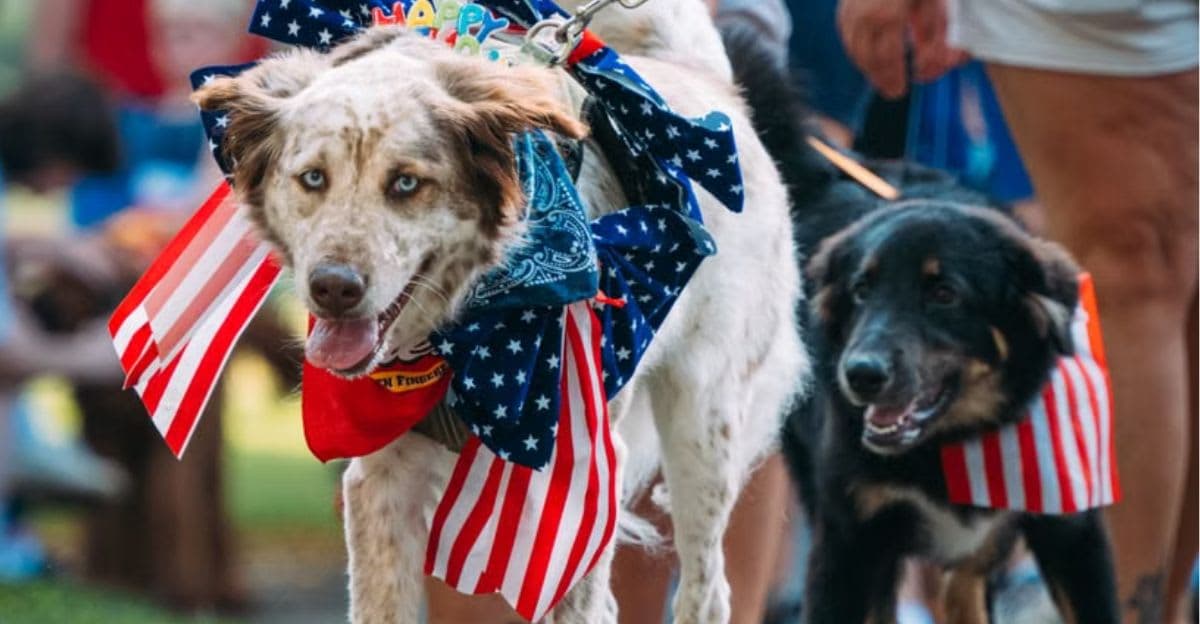

For most people, July 4th means barbecues, fireworks, and celebration. For a huge number of dogs, it is one of the most frightening nights of the entire year.
Animal shelters consistently report more lost pets around July 4th and 5th than any other time of year, including New Year's Eve. Dogs bolt through open gates, break through screen doors, and squeeze under fences, all trying to escape a sky full of loud, unpredictable booms.
Here is why fireworks affect dogs so much more than they affect us, and what actually helps.
Dogs Hear The World Very Differently

A dog's hearing is far more sensitive than a human's. Dogs can hear sounds at higher frequencies and from much farther away than we can, and they can detect volume changes we barely notice.
What sounds like a fun crackle and boom to us can feel like an overwhelming, painful assault to a dog's ears. Combine that sensitivity with the fact that fireworks are loud, sudden, and completely unpredictable, and it is easy to see why so many dogs panic.
It Isn't Just The Noise

Fireworks do not just sound alarming to dogs, they feel alarming too. The booming sounds come with vibrations dogs can feel through the ground and in their chest, similar to how thunder feels during a storm. Flashes of light in the sky add another layer of confusion, especially since dogs cannot understand what is causing any of it.
From a dog's perspective, the world is suddenly loud, shaking, and flashing with light, with no clear source and no way to predict when it will stop. That combination is exactly the kind of unpredictable threat a dog's brain is wired to fear.
Why So Many Dogs Go Missing On July 4th
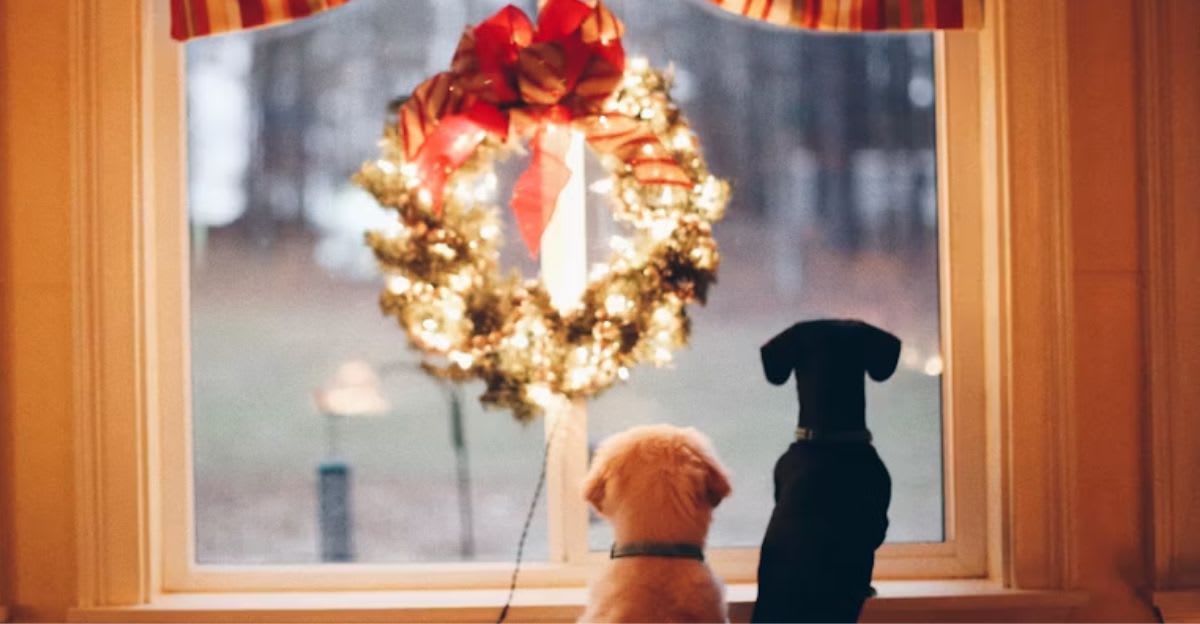
Fear triggers a dog's instinct to escape. A dog in a panic is not thinking clearly, it is running purely on instinct to get away from the source of danger, wherever that leads. This is why so many dogs run through fences, jump over walls, or slip out of collars during fireworks, even dogs that are normally calm and well trained.
Once a scared dog is loose and running, it can travel surprisingly far in a short amount of time, which is part of why shelters see such a dramatic spike in lost pet reports every year right around the holiday.
How To Actually Help Your Dog Through Fireworks Season
Create a safe, enclosed space early. Set up a quiet room, crate, or covered area before fireworks start, not after your dog is already anxious. A closed-in, den-like space often feels more secure to a frightened dog.
Keep windows and curtains closed. Reducing both the sound and the flashing light from fireworks can noticeably lower a dog's stress level.
Use background noise. A TV, fan, or white noise machine can help mask the sharp, sudden cracks of fireworks in the distance.
Make sure your dog is microchipped and wearing ID. This single step matters more than almost anything else on this list. If your dog does manage to escape during the panic, a collar tag and microchip dramatically increase the odds of a safe return.
Exercise your dog earlier in the day. A dog that has already had a long walk or play session tends to handle stress a little better than one that is full of pent-up energy.
Stay calm yourself. Dogs pick up on their owner's energy. Speaking in a calm, normal voice, rather than fussing over your dog anxiously, can help signal that everything is actually okay.
Talk to your vet about anxiety support. For dogs with severe fireworks anxiety, vets can recommend calming aids, anxiety wraps, or in some cases medication specifically for high-stress nights like this one.
Never punish fear. A dog that is shaking, hiding, or barking during fireworks is not misbehaving, it is genuinely scared. Comfort and reassurance work far better than scolding.
The Bottom Line
Your dog is not overreacting to fireworks. From a dog's point of view, the sky full of booming, flashing chaos genuinely is alarming, and their instinct to escape it is completely rational from their side of things.
A little preparation before the fireworks start, a safe space, some background noise, and a secure collar with ID, can make a huge difference in keeping your dog calm, safe, and right where they belong through the whole holiday.
Frequently Asked Questions
Why do dogs run away during fireworks? Fireworks trigger a dog's fear and flight instinct. The loud, sudden, unpredictable noise combined with vibrations and flashing light can send a dog into a panic, causing them to bolt in an attempt to escape, even through fences or doors they would normally never try.
What can I give my dog to calm them during fireworks? Options range from anxiety wraps and calming background noise to vet-prescribed medication for severe cases. It is best to talk to your veterinarian ahead of time, since the right option depends on how severe your dog's anxiety is.
Should I take my dog to a fireworks show? It is generally best to leave dogs at home in a safe, familiar space during fireworks displays rather than bringing them along, since the noise and crowds at a show tend to be even more overwhelming than fireworks heard from home.