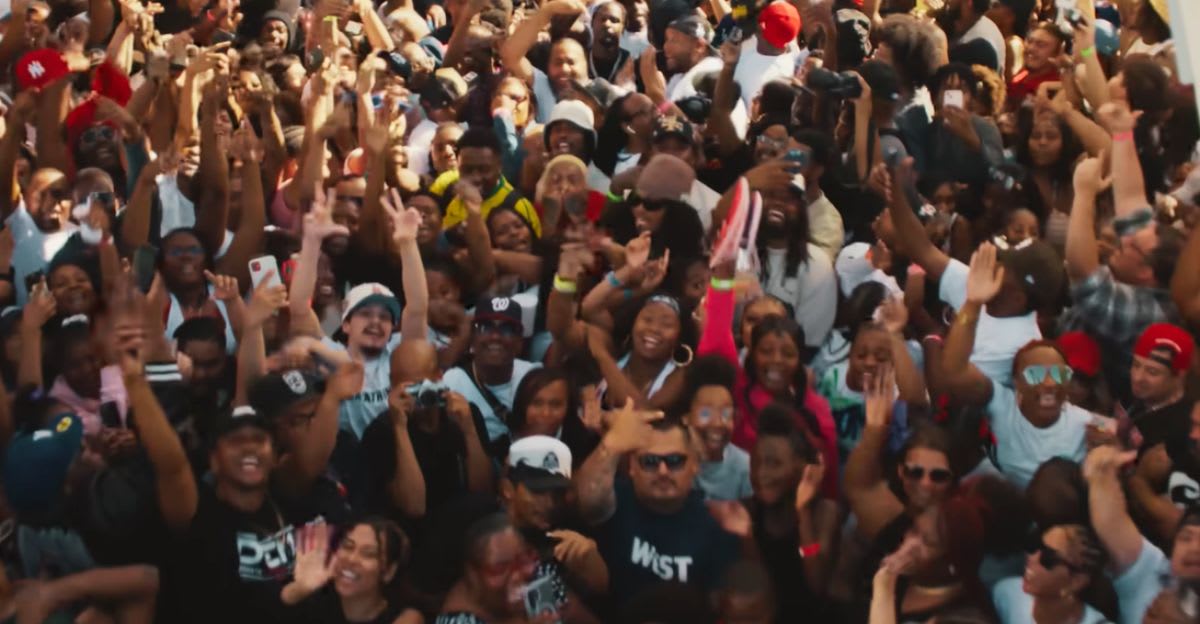
Not Like Us — Kendrick Lamar

Kendrick Lamar delivers a bold, electric hit that crackles with defiance. It thumps, snaps, and moves with the kind of confidence that makes people stop scrolling.
“Not Like Us” became more than a song. It became a cultural moment. It had the energy of a diss track, the rhythm of a street anthem, and the replay value of a club hit. For Gen Z, it speaks the language of memes, debates, pride, and online dominance.
It is sharp, loud, unforgettable, and impossible to ignore.
drivers license — Olivia Rodrigo

Few songs captured young heartbreak like “drivers license.”
Olivia Rodrigo turned a private emotional crash into a global singalong. The song feels like sitting alone at night, replaying every message, every memory, and every moment that went wrong.
It is simple, painful, and brutally honest. That is why it connected so deeply. Gen Z does not just want perfect pop stars; they want artists who sound like they are telling the truth.
“drivers license” became the soundtrack for heartbreak in the streaming era.
bad guy — Billie Eilish
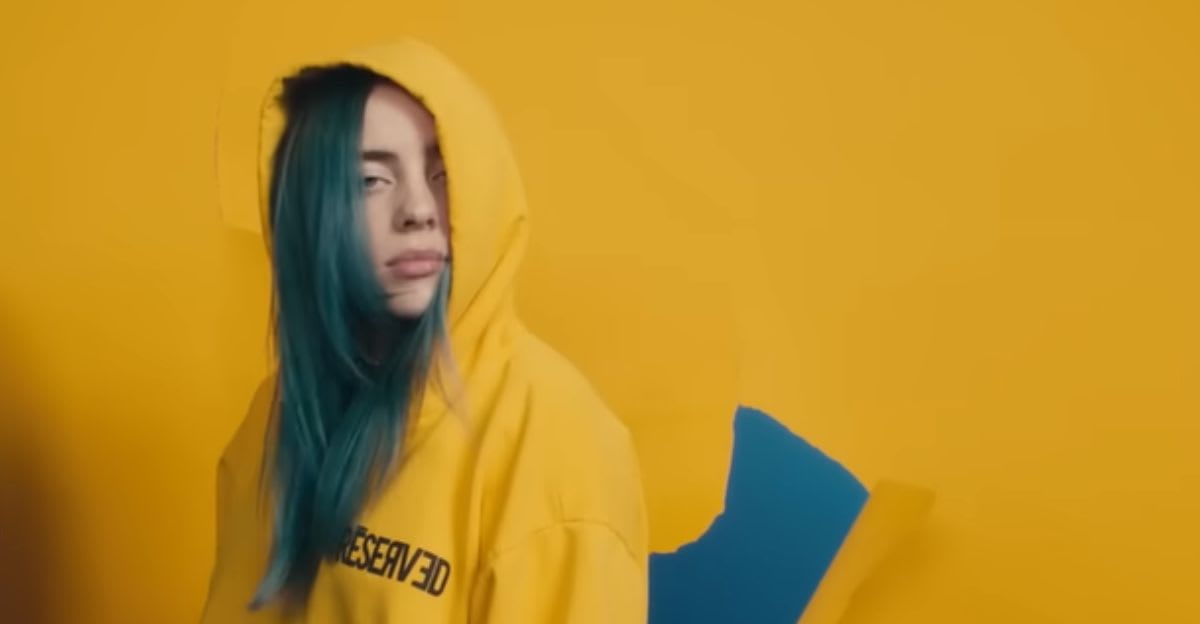
“bad guy” changed the sound of pop without trying too hard.
Billie Eilish did not need huge vocals, big drums, or a shiny pop formula. She used whispers, attitude, strange production, and dark humor to create something fresh.
The song feels playful and dangerous at the same time. It is weird in the best way possible, and that is exactly why it works.
For Gen Z, “bad guy” represents a generation that does not want to fit neatly into old labels. It is pop, but twisted. Cool, but awkward. Funny, but serious.
That is the whole point.
Blinding Lights — The Weekend

“Blinding Lights” sounds like nostalgia speeding through a city at midnight.
The Weeknd mixed old-school synth-pop with modern heartbreak and created one of the most recognizable songs of the century. It feels retro, but not outdated. Emotional, but still danceable.
That combination is why the song became so massive. It works in cars, clubs, headphones, malls, edits, and movie-style moments people create in their own lives.
For the current generation, “Blinding Lights” is not just a hit. It is a mood: lonely, stylish, restless, and glowing in neon.
Old Town Road — Lil Nas X ft. Billy Ray Cyrus

“Old Town Road” proved that the internet can turn anything into a global smash.
It mixed country, rap, humor, TikTok energy, and meme culture into one short, addictive song. At first, it felt like a joke. Then it became impossible to escape.
That is what makes it important. “Old Town Road” showed how Gen Z discovers music differently. A song does not need to start on radio anymore. It can start as a sound, a meme, a challenge, or a weird idea that catches fire.
Lil Nas X understood the internet better than almost anyone, and this song became proof.
Anti-Hero — Taylor Swift

“Anti-Hero” is the sound of overthinking with a catchy chorus.
Taylor Swift took insecurity, self-doubt, anxiety, and self-awareness and turned them into a pop anthem. The song feels like laughing at your own problems because crying would take too much energy.
That is why it fits the current generation so well. Gen Z is deeply self-aware. They joke about their flaws, post through the pain, and turn personal chaos into content.
“Anti-Hero” works because it is honest without being boring. It is vulnerable, but still polished enough to sing at the top of your lungs.
What Was I Made For? — Billie Eilish
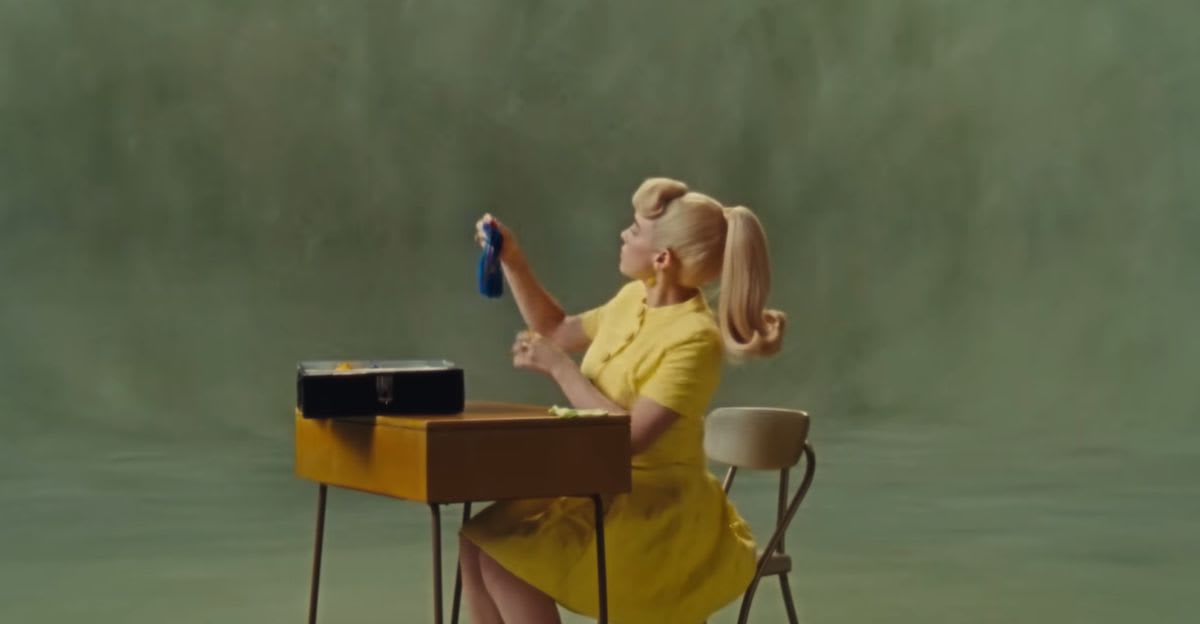
“What Was I Made For?” is quiet, but it hits hard.
Billie Eilish captured the feeling of questioning your purpose, your identity, and your place in the world. It is soft, slow, and emotional, but it carries the weight of a generation trying to figure itself out.
This is not a party song. It is a mirror.
For Gen Z, the song connects with anxiety, burnout, growing up, and the pressure to become something before you even understand yourself.
Sometimes the songs that whisper say the most.
As It Was — Harry Styles
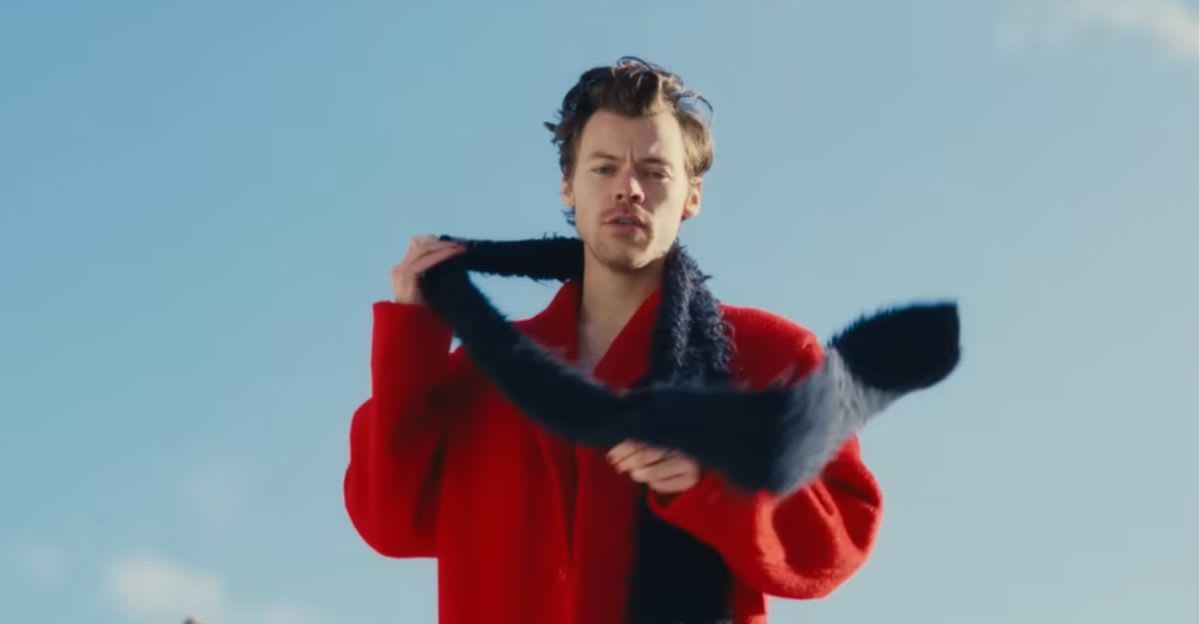
“As It Was” sounds bright on the surface, but underneath it is full of loneliness and change.
That is what makes it so powerful. Harry Styles wrapped sadness inside a catchy, upbeat sound, creating a song that feels both danceable and emotionally distant.
It captures a very modern feeling: everything is moving fast, people are changing, and even familiar things do not feel the same anymore.
For the current generation, “As It Was” feels like growing up in real time. You can dance to it, but you can also feel the sadness hiding inside it.
good 4 u — Olivia Rodrigo
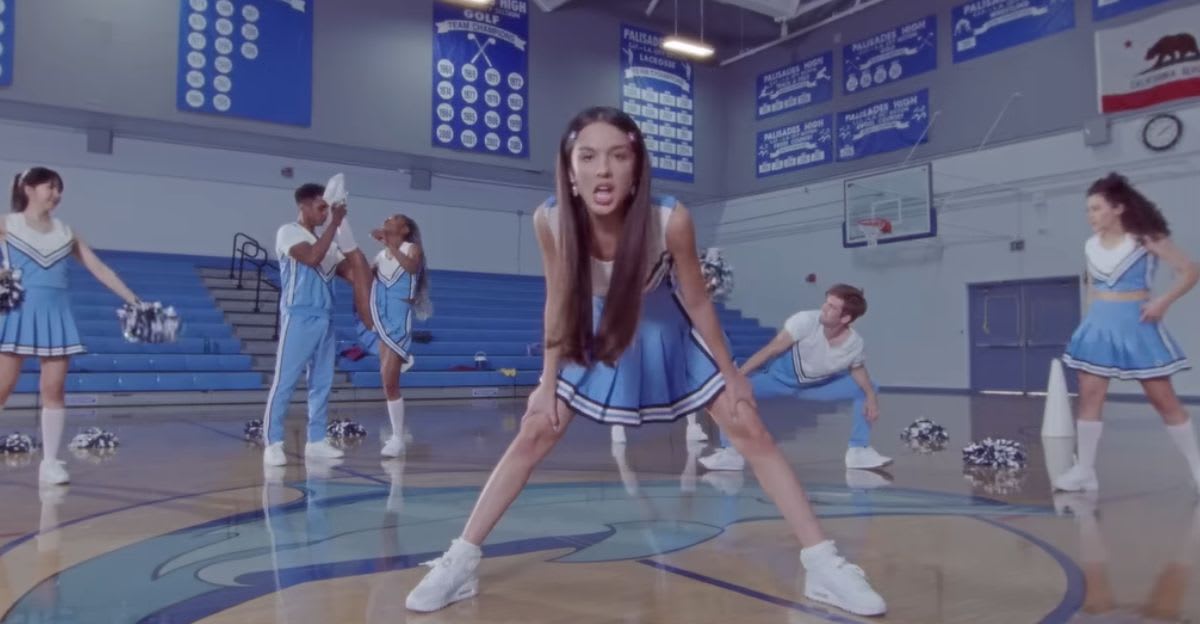
“good 4 u” is heartbreak with the volume turned all the way up.
Olivia Rodrigo took sadness and converted it into pure pop-punk rage. The result is explosive, sarcastic, and dangerously catchy.
This is not the soft heartbreak of “drivers license.” This is the moment after the tears, when anger finally shows up.
Gen Z loves this kind of emotional honesty. Not every breakup song has to be gentle. Sometimes healing sounds like shouting in your room, slamming the door, and pretending you are fine.
“good 4 u” made that feeling loud.
Calm Down — Rema & Selena Gomez

“Calm Down” brought smooth Afrobeats energy to global playlists and showed how international the current generation’s music taste has become.
Gen Z does not listen within borders. A hit can come from Nigeria, blow up online, get a major remix, and travel across continents through TikTok, streaming apps, and party playlists.
The song is warm, easy, and addictive. It does not force its magic. It just flows.
“Calm Down” represents the global sound of the 21st century: relaxed, rhythmic, cross-cultural, and made for a world where everyone discovers music from everywhere.
Final Thoughts

The songs that define Gen Z are not just the biggest hits. They are the songs that explain how the current generation feels.
They capture heartbreak, confidence, anxiety, rebellion, identity, internet culture, loneliness, and global connection.
“Not Like Us” brings defiance.
“drivers license” brings heartbreak.
“bad guy” brings weird confidence.
“Blinding Lights” brings neon loneliness.
“Old Town Road” brings internet power.
“Anti-Hero” brings self-awareness.
“What Was I Made For?” brings emotional confusion.
“As It Was” brings change.
“good 4 u” brings rage.
“Calm Down” brings global rhythm.
Together, they form a soundtrack for a generation that is emotional, online, creative, restless, and impossible to box in.
The 21st century has produced many great songs, but these ones feel especially connected to the way young people live, love, argue, heal, and express themselves today.